 08045478006
 Send Inquiry
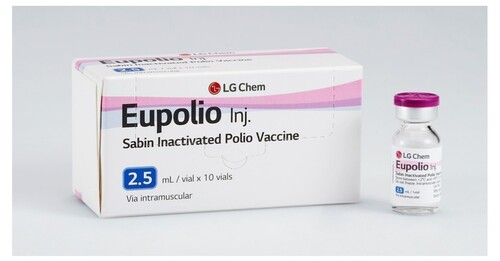
oral polio vaccine
28 USD ($)/Bottle
Product Details:
- Usage Type Pediatric and Adult Vaccine Schedule
- Accuracy Standardized Dosage per Drop
- Shelf Life 2 Years (Unopened, Stored at Recommended Temperature)
- Frequency As Per Immunization Schedule
- Features Easy Oral Administration, WHO Pre-qualified, Heat Sensitive Indicator
- Storage Instructions Store at 2°C to 8°C, Refrigerated, Do Not Freeze
- Display Type Vial/Dropper Label with Lot and Expiry
- Click to View more
X
oral polio vaccine Price And Quantity
- 30 Bottle
- 28 USD ($)/Bottle
- 12.80 - 29.00 USD ($)/Bottle
oral polio vaccine Product Specifications
- Manual Administration
- Approx. 25-100 g per bottle (incl. packaging)
- Biological/Immunization
- Prevention of Poliomyelitis
- Yes
- Dosage: 2 Drops per Administration
- As Per Immunization Schedule
- Easy Oral Administration, WHO Pre-qualified, Heat Sensitive Indicator
- Clear or Slightly Opaque Liquid
- Primary Packaging: Vial or Dropper Bottle (commonly 5 ml, 10 ml, 20 ml)
- Store at 2°C to 8°C, Refrigerated, Do Not Freeze
- Vial/Dropper Label with Lot and Expiry
- New
- Pediatric and Adult Vaccine Schedule
- Sterile Liquid Vaccine Preparation
- Immunization Against Poliovirus
- 2 Years (Unopened, Stored at Recommended Temperature)
- Standardized Dosage per Drop
- Silent
- Oral Polio Vaccine (Live, Attenuated)
- No
- Live Attenuated Virus via Oral Drops
- Contains type 1, 2, and 3 poliovirus strains
- Complies with international standards (WHO, UNICEF, national authorities)
- Typically 10-20 doses depending on pack size
- Mass Immunization, Children under 5, Outbreak Response
- Polio Sabin, OPV-0, OPV-1, etc.
- Should not be frozen; loses potency if frozen
- Vaccine Vial Monitor (VVM) included
- Oral (by dropper)
- Batch certificate and Product Insert provided
- Glass/Plastic Vial, Dropper Bottle
- Liquid, Oral Drops
- Cold Chain Transportation required
- Contraindicated in immunocompromised individuals
oral polio vaccine Trade Information
- mumbai or DHL
- Paypal, Western Union, Cash Advance (CA), Telegraphic Transfer (T/T)
- 100 Bottle Per Day
- 7 Days
- Contact us for information regarding our sample policy
- standard
- Africa
- All India
- depend
Product Description
Oral polio vaccine (OPV) is used in other countries. CDC recommends that children get four doses of polio vaccine. They should get one dose at each of the following ages: 2 months old, 4 months old, 6 through 18 months old, and 4 through 6 years old.Efficient and Convenient Mass Immunization
OPV is specially formulated for streamlined administration, enabling rapid coverage of large populations during routine campaigns and outbreaks. Its liquid-drops format and portable packaging make it easy to deliver, whether in clinics, field programs, or remote sites. With adherence to global standards and a reliable Vaccine Vial Monitor, users can be confident in the safety and efficacy of every dose.
Proven Protection Against All Poliovirus Types
Containing type 1, 2, and 3 poliovirus strains, the OPV offers robust protection, reducing the risk of poliomyelitis. The product supports pediatric and adult schedules, with accurate dosage delivery and clear labeling, to ensure every child receives the right protection at the right time.
Safe Storage and Reliable Potency
A shelf life of up to two years is maintained by storing OPV at 2C to 8C. The built-in VVM and heat sensitivity safeguards ensure each dose remains potent throughout its distribution journey. Compliance documentation, including batch certificates, guarantees traceability and quality assurance for healthcare providers.
FAQ's of oral polio vaccine:
Q: How is the oral polio vaccine administered to children?
A: The oral polio vaccine is administered as liquid drops, typically two per dose, directly into a child's mouth using a dropper bottle or vial. This method offers a quick, painless, and efficient way to immunize large groups, especially children under five.Q: What is the primary benefit of using OPV for immunization?
A: OPV provides broad protection against all three strains of the poliovirus, helping prevent poliomyelitis. Its ease of use and mass immunization capability make it ideal for outbreak response and routine vaccination campaigns.Q: When should OPV be given according to immunization schedules?
A: OPV is included in pediatric and adult vaccine schedules, usually given multiple times during infancy and early childhood. The exact timing follows national or WHO-approved immunization guidelines.Q: Where should oral polio vaccine vials be stored and how are they transported?
A: OPV vials must be stored refrigerated at 2C to 8C and transported using cold chain systems to preserve vaccine potency. The vials should never be frozen, as freezing will reduce their effectiveness.Q: What precautions should be considered regarding OPV administration?
A: OPV is contraindicated in immunocompromised individuals and should only be administered according to approved health guidelines to ensure safety and efficacy for the target population.Q: How does the Vaccine Vial Monitor (VVM) help in maintaining vaccine quality?
A: The built-in Vaccine Vial Monitor (VVM) provides a visual indicator of heat exposure, ensuring that only potent and safe doses are administered during immunization campaigns.Q: What documentation accompanies each batch of OPV?
A: Every OPV batch is supplied with a batch certificate and product insert, detailing essential information such as lot number, expiry date, storage instructions, and compliance standards for transparency and traceability.Tell us about your requirement

Price:
Quantity
Select Unit
- 50
- 100
- 200
- 250
- 500
- 1000+
Additional detail
Mobile number
Email

Other Products in 'vaccines' category


YGIIS PHARMA
GST : 24AKZPP3755G1ZK
GST : 24AKZPP3755G1ZK
- B No. S- 46, Silicon Shoppers, Udhna Main Road, Surat - 394210, Gujarat, India
- Phone : 08045478006
- Mr Pranav Patel (Proprietor)
- Mobile : 08045478006
- info@ygiispharma.com
Our Products
- Anti Cancer Drugs
- Antibiotics Drugs
- Antiviral Drugs
- Antimalarial Drugs
- Anti Hypertensive & CVS Drugs
- Anti Diabetic Drugs
- Analgesic Drugs
- Dental Products
- Neutracutical Products
- Pharmaceutical Tablets
- Pharmaceutical Capsules
- Eye - Ear And Nasal Drops
- Pharmaceutical Ointment
- Dusting Powder
- Pharmaceutical Dry Syrup
- Pharmaceutical Suspension
- Pharmaceutical Cough Syrup
- Pharmaceutical Injection
- Medicinal Toothpaste
- Pharmaceutical Softgel Capsules
- Medical Diagnostic Products
- Pharmaceutical Products
- anti fungal medicine
- vaccines
- pain killer drugs
- Others
- Local Anesthesia Drugs
- Neurology and Psychotropic Drugs
 Send Inquiry
 Send SMS
YGIIS PHARMA
All Rights Reserved.(Terms of Use)
Developed and Managed by Infocom Network Private Limited.
Developed and Managed by Infocom Network Private Limited.

