 08045478006
 Send Inquiry
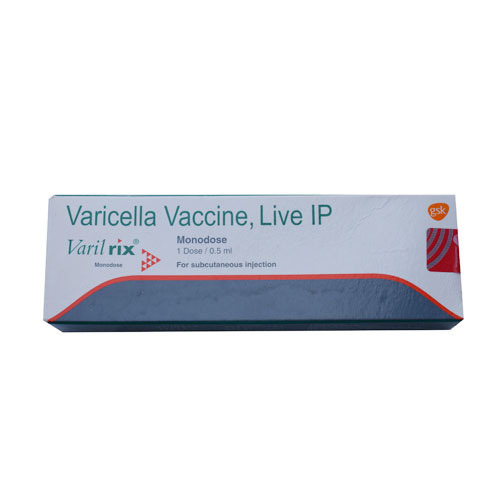
chickenpox vaccine
16 USD ($)/Bottle
Product Details:
- Shelf Life 24 months from date of manufacture
- Usage Type Clinical / Hospital / Immunization Centers
- Frequency Single or double dose as per schedule
- Instruments Type Biological Vaccine
- Features Safe, effective, long-lasting protection
- Accuracy Highly effective immunization
- Function Induces immunity against varicella zoster virus
- Click to View more
X
chickenpox vaccine Price And Quantity
- 2.00 - 16.00 USD ($)/Bottle
- 100 Bottle
- 16 USD ($)/Bottle
chickenpox vaccine Product Specifications
- Biological (Live attenuated virus)
- Injection
- Single or double dose as per schedule
- Multi-dose vial, varies by packaging
- Safe, effective, long-lasting protection
- No
- Biological Vaccine
- Highly effective immunization
- Induces immunity against varicella zoster virus
- Store at 2C8C. Do not freeze.
- Clinical / Hospital / Immunization Centers
- Prevention of chickenpox (Varicella)
- 24 months from date of manufacture
- Yes
- Vaccine Production
- Translucent or off-white suspension
- New
- Chickenpox Vaccine
- Approved by DCGI/WHO and other national bodies
- Lyophilized powder with diluent
- Live attenuated varicella-zoster virus (Oka strain)
- Sterile water for injection provided
- Immunocompromised individuals (unless otherwise indicated), pregnancy
- Cold chain required
- Children and adults as per immunization guidelines
- Varilrix, Varivax, or equivalent
- Available for some brands
- Printed on the package
- Subcutaneous injection
- Mild fever, rash, injection site reactions
- Single dose or multi-dose vial
- Active immunization against varicella (chickenpox)
chickenpox vaccine Trade Information
- mumbai or DHL
- Western Union, Paypal, Cash Advance (CA)
- 100 Bottle Per Day
- 5 Days
- Contact us for information regarding our sample policy
- Central America, North America, South America, Western Europe, Middle East, Africa, Asia
- All India
Product Description
The chickenpox vaccine reduces your risk of getting chickenpox. Chickenpox causes an itchy, blister-like rash that lasts about a week. It can also cause fever, fatigue, loss of appetite and headache. While usually mild, chickenpox can be serious in babies, pregnant women and people with weakened immune systems.Comprehensive Protection Against Chickenpox
Varilrix and Varivax vaccines provide robust immunity against varicella zoster virus, significantly reducing the risk of severe chickenpox and its complications. With a proven safety profile, they are trusted globally by healthcare providers and meet WHO prequalification standards for selected brands.
Easy Administration and Storage
Supplied as a lyophilized powder with sterile diluent, this vaccine is administered via a subcutaneous injection. It requires cold chain storage (2-8C) to maintain potency and is available in single or multi-dose vials to suit various immunization programs.
FAQ's of chickenpox vaccine:
Q: How is the Varilrix or Varivax chickenpox vaccine administered?
A: The vaccine is reconstituted from a lyophilized powder using the sterile diluent provided, then given as a subcutaneous injection, usually in the upper arm or thigh.Q: What age groups can receive the chickenpox vaccine?
A: Both children and adults can be vaccinated as per national immunization guidelines. Dosage schedules may vary depending on age and health status.Q: When should the chickenpox vaccine be given?
A: The timing follows immunization schedules recommended by health authorities; usually, the first dose is given in infancy, with a potential second dose as advised.Q: Where should the vaccine be stored before use?
A: The vaccine must be kept in a refrigerator at temperatures between 2C and 8C. It should never be frozen, as freezing reduces its effectiveness.Q: What are the key benefits of immunization with this vaccine?
A: Immunization leads to long-lasting protection against chickenpox, lowering the incidence and severity of the disease and preventing complications associated with varicella infection.Q: What possible side effects can occur after receiving the vaccine?
A: Most recipients experience only mild side effects, such as slight fever, a mild rash, or redness and swelling at the injection site. Serious side effects are rare.Q: Who should not receive the Varilrix or Varivax vaccine?
A: The vaccine is contraindicated in immunocompromised individuals (unless otherwise directed), pregnant women, and anyone with known hypersensitivity to vaccine components.Tell us about your requirement

Price:
Quantity
Select Unit
- 50
- 100
- 200
- 250
- 500
- 1000+
Additional detail
Mobile number
Email

Other Products in 'vaccines' category


YGIIS PHARMA
GST : 24AKZPP3755G1ZK
GST : 24AKZPP3755G1ZK
- B No. S- 46, Silicon Shoppers, Udhna Main Road, Surat - 394210, Gujarat, India
- Phone : 08045478006
- Mr Pranav Patel (Proprietor)
- Mobile : 08045478006
- info@ygiispharma.com
Our Products
- Anti Cancer Drugs
- Antibiotics Drugs
- Antiviral Drugs
- Antimalarial Drugs
- Anti Hypertensive & CVS Drugs
- Anti Diabetic Drugs
- Analgesic Drugs
- Dental Products
- Neutracutical Products
- Pharmaceutical Tablets
- Pharmaceutical Capsules
- Eye - Ear And Nasal Drops
- Pharmaceutical Ointment
- Dusting Powder
- Pharmaceutical Dry Syrup
- Pharmaceutical Suspension
- Pharmaceutical Cough Syrup
- Pharmaceutical Injection
- Medicinal Toothpaste
- Pharmaceutical Softgel Capsules
- Medical Diagnostic Products
- Pharmaceutical Products
- anti fungal medicine
- vaccines
- pain killer drugs
- Others
- Local Anesthesia Drugs
- Neurology and Psychotropic Drugs
 Send Inquiry
 Send SMS
YGIIS PHARMA
All Rights Reserved.(Terms of Use)
Developed and Managed by Infocom Network Private Limited.
Developed and Managed by Infocom Network Private Limited.

